E-Wallet Integration and Its Effects on Roulette Play Patterns Across Regulated UK Mobile Platforms
Written by Bianca Schröder · Nov 12, 2026
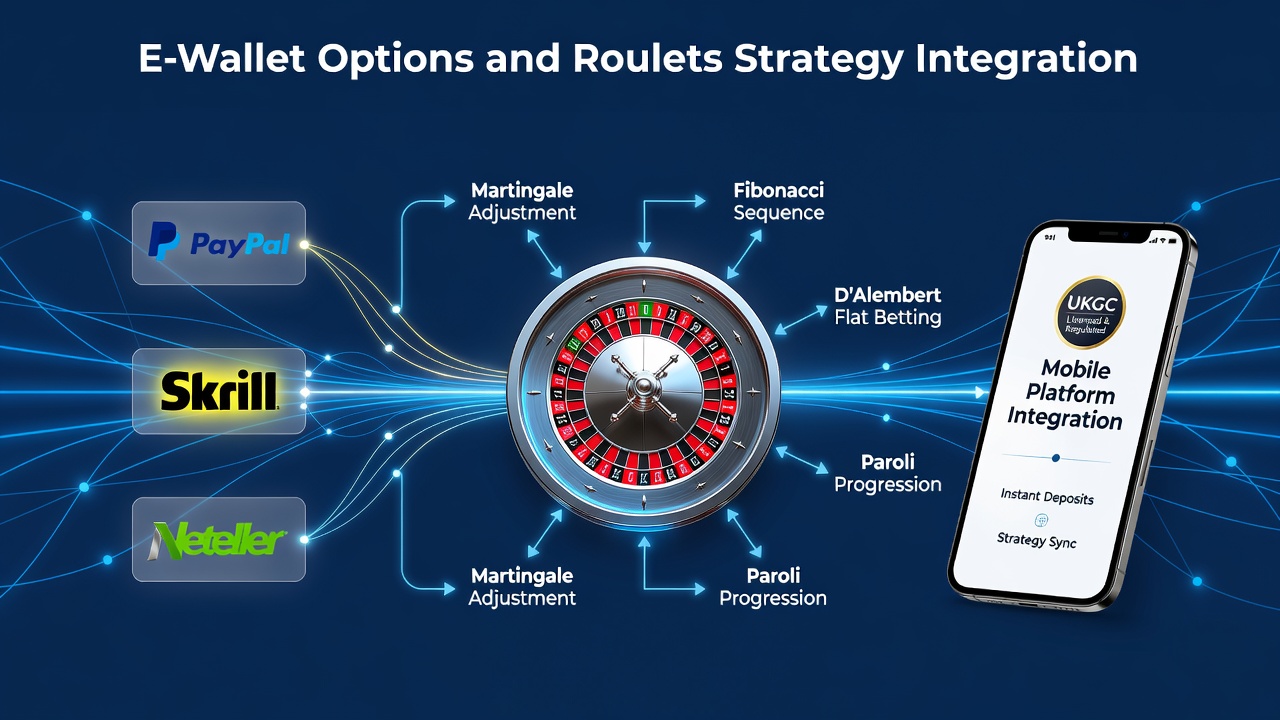
E-Wallet Integration and Its Effects on Roulette Play Patterns Across Regulated UK Mobile Platforms
Electronic wallet services have become central to how players manage funds on regulated mobile platforms in the UK, and data from industry reports shows direct ties between payment speed, transaction limits, and adjustments players make to roulette betting sequences. Platforms must comply with rules set by authorities across Europe and beyond, while users select options like instant transfers or those with built-in verification steps that influence session pacing. Researchers tracking mobile gambling trends note that faster deposit confirmations allow for quicker responses when sequences require bet increases, whereas slower verification can prompt shifts toward flatter betting structures.
Payment Speed and Betting Sequence Adjustments
Many e-wallet providers complete deposits in under thirty seconds on compliant apps, and this timing aligns with roulette rounds that reset every forty-five to sixty seconds on mobile interfaces. Observers tracking user behavior across multiple operators report that players using instant options maintain progressive systems such as doubling after losses for longer stretches before pausing, since replenishment happens without leaving the game screen. In contrast, wallets requiring additional security checks lead some participants to switch to conservative patterns that avoid large escalations, preserving bankroll across fewer high-risk spins. Figures from payment analytics firms indicate that average deposit amounts rise when processing stays below one minute, allowing strategies reliant on steady top-ups to continue without interruption.
Transaction Limits and Bankroll Management
Daily and per-transaction caps built into certain digital wallets force adaptations in how much capital players allocate per session, particularly when roulette wheels operate under stake restrictions enforced by platform operators. Studies from academic sources on digital finance in gaming environments reveal that users facing lower limits often fragment their play into shorter intervals, resetting patterns after each capped transfer rather than attempting extended runs. This fragmentation appears more common on mobile devices where screen real estate limits simultaneous tracking of multiple tables. Data compiled by international gaming associations shows seasonal spikes in limit-related adjustments during periods of high mobile usage, such as holiday months when transaction volumes increase across European markets.
Mobile Interface Features and Real-Time Decisions
App designs that embed wallet balances directly beside the roulette betting grid let users monitor available funds without switching screens, and this visibility supports mid-round tweaks to stake sizes based on remaining balance. Operators update these displays in real time following each confirmed transfer, reducing the chance of exceeding personal thresholds during rapid play. Analysts examining interface logs note that platforms offering one-tap reloads tied to preferred wallets see higher retention of users who employ pattern-based approaches, because interruptions drop when funding stays seamless. What's interesting is how push notifications for completed transactions coincide with wheel spins, letting players decide on the spot whether to continue a current sequence or pause for a new deposit.
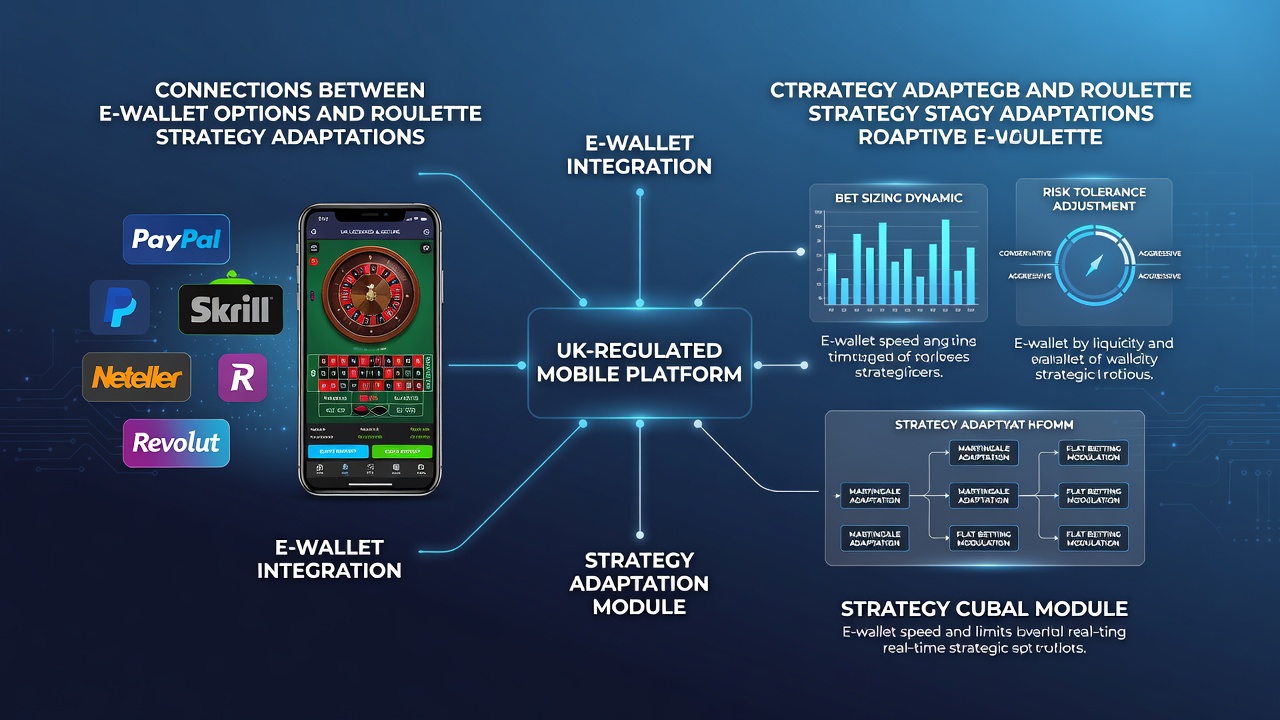
By November 2026, updated mobile operating systems are expected to introduce enhanced security layers for financial apps, and these changes may further influence how quickly roulette strategies can adapt during live sessions. Operators already test compatibility with emerging wallet protocols that prioritize biometric confirmation, shortening the gap between decision and execution. Reports from research institutions in Australia highlight similar patterns in other regulated markets where payment friction directly correlates with shifts away from aggressive progressions toward steadier, lower-variance tactics.
Bonus Structures Linked to Wallet Choices
Some platforms tie promotional credits or cashback offers to specific e-wallet providers, creating incentives that alter initial bankroll allocation for roulette play. When a wallet qualifies for extra funds upon deposit, users sometimes allocate larger starting amounts to test extended sequences that would otherwise exceed standard comfort levels. Regulatory frameworks in various jurisdictions require clear disclosure of these ties, ensuring players understand how payment method selection affects available resources before committing to a strategy. Industry data indicates that such linkages appear more frequently on mobile versions because operators track wallet usage through app analytics more precisely than on desktop sites.
Security Protocols and Session Continuity
Two-factor authentication steps required by many wallets add layers that can pause momentum during roulette rounds, prompting players to pre-load balances or select providers with streamlined mobile verification. Those who study transaction security note that wallets incorporating device-based authentication maintain higher continuity rates for pattern-driven betting, since fewer manual inputs disrupt focus. European trade groups have documented cases where enhanced security reduced average session length by measurable percentages, leading some participants to favor simpler wallet setups even when fees differ slightly. This trade-off surfaces most clearly on smartphones where multitasking remains limited during active wheel spins.
Conclusion
Connections between e-wallet performance and roulette adjustments continue to evolve as mobile platforms refine both payment integrations and game interfaces under existing oversight structures. Available figures demonstrate measurable impacts on deposit frequency, stake progression, and session duration when wallet features align or conflict with preferred betting methods. External sources such as the European Gaming and Betting Association and reports from the Canadian Gaming Association provide broader context on how payment innovations shape player patterns across regulated environments. Continued monitoring of these intersections will clarify how future wallet updates influence tactical choices on UK mobile platforms.